STOVER 125CT2 Carburetor Hit Gas Engine
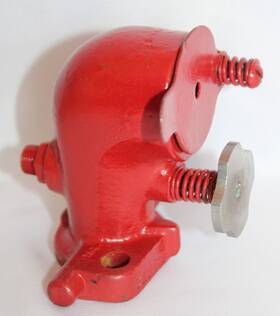
( Brand: Stover ), ( Manufacturer Part Number: 125CT2 ), ( Engine Type: Hit Miss ), ( Type: Carburetor ), ( Material: Cast Iron ), ( Country/region Of Manufacture: United States )
Review STOVER Refurbished Ct Carburetor Hit And Miss Gas Engine
Stover 125CT2 Carburetor Hit Gas Engine - Precision Fuel Delivery for Consistent Performance
The Stover 125CT2 Carburetor Hit Gas Engine is a top-tier choice for those seeking a reliable and efficient fuel delivery system for their small engine applications. This carburetor, designed with precision engineering and robust construction, ensures consistent performance under various operating conditions.
The Stover 125CT2 features a diaphragm-style carburetor that is known for its smooth operation and precise fuel-air mixture control. This design allows for efficient fuel consumption, reduced emissions, and improved engine performance. The carburetor's body is made from high-quality, durable materials, resistant to corrosion and wear, ensuring longevity and reliability.
The carburetor comes equipped with a high-quality, easy-to-adjust fuel mixture screw, allowing for simple and precise tuning of the fuel-air mixture to meet specific engine requirements. Additionally, the fuel bowl is generously sized to accommodate various fuel types and provide enough fuel for demanding operations.
One of the standout features of the Stover 125CT2 Carburetor is its simplicity of installation. It is designed to fit a wide range of small engines, making it an ideal replacement for old or worn-out carburetors. The carburetor comes with clear and concise installation instructions, ensuring a hassle-free installation process.
In summary, the Stover 125CT2 Carburetor Hit Gas Engine is an excellent choice for those seeking a reliable, efficient, and easy-to-use fuel delivery system. Its precision engineering, robust construction, and simple installation make it a top pick for small engine applications, ensuring consistent performance and long-lasting operation.
Pros of Buying Stover 125CT2 Carburetor Hit Gas Engine:1. **Brand Recognition**: Stover is a well-known brand in the small engine industry, which may guarantee a certain level of quality and reliability.
2. **Two-Stroke Engine**: Two-stroke engines are simpler in design and usually lighter than their four-stroke counterparts, making them suitable for portable and handheld equipment.
3. **Hit Gas Feature**: The Hit Gas feature allows for easy starting, which can be a significant advantage, especially in cold weather or when the engine has been sitting idle for a prolonged period.
4. **Wide Applications**: The Stover 125CT2 carburetor engine is versatile and can be used in various equipment such as pumps, generators, and lawn tools, making it a practical choice for those needing a small engine for multiple purposes.
Cons of Buying Stover 125CT2 Carburetor Hit Gas Engine:1. **Emission Regulations**: Two-stroke engines, like the Stover 125CT2, are notorious for emitting high levels of pollutants. This may be a concern for those looking for more eco-friendly options.
2. **Fuel Consumption**: Two-stroke engines typically consume more fuel per power output compared to four-stroke engines. This can result in higher operating costs over time.
3. **Maintenance**: Two-stroke engines require more frequent oil-fuel mixture changes and may need more frequent tune-ups compared to four-stroke engines.
4. **Noise Level**: Two-stroke engines tend to be louder than four-stroke engines, which might be a concern for residential or noise-sensitive areas.
Conclusion:The Stover 125CT2 Carburetor Hit Gas Engine offers advantages such as easy starting, simplicity, and versatility. However, it also has drawbacks like high emissions, high fuel consumption, more frequent maintenance, and noise level. If a user prioritizes ease of starting, portability, and versatility, and is willing to accept the higher maintenance and fuel costs, the Stover 125CT2 could be a suitable choice. On the other hand, users seeking a more eco-friendly, quieter, and cost-effective option might consider alternative four-stroke engines or electric motors.
Recommendation:If the Stover 125CT2 fits your needs and you're willing to accept its drawbacks, it could be a good choice for your small engine needs. Always ensure to compare prices, read reviews, and check compatibility with your intended equipment before making a purchase. Additionally, consider the long-term costs of fuel consumption and maintenance when deciding on the right engine for you.
Details:
part #: 125ct2 prices
- $49.00-$110.00
specifications stationaryenginezo:
- brand: Stover
- mpn: 125ct2
- engine type: Hit Miss
- type: Carburetor
- material: Cast Iron
- country/region of manufacture: United States
offer stationaryenginezo:
- quantity: 1
- started: September 2, 2024
- sold: 0
- availability: In Stock
- options: Ship-to-home
shipping stationaryenginezo:
- cost: $13.60
- class: Standard
- service: USPS Ground Advantage
- type: Calculated
- transit: 3-7 Days
- carrier: USPS
payments stationaryenginezo:
- wallet: Google-pay
- credit card: Visa
- other
general stationaryenginezo:
- condition: Used
- Light Equipment Tools > Stationary Engines > Parts
returns stationaryenginezo:
- time: 30 Days
- paid by: Buyer
- policy: Returns Accepted
- method: Money back
seller stationaryenginezo:
- city: Johnstown, Pennsylvania
- # reviews: 9444
- rating: 100.0%
Stover 125CT2 Is Similar To:
- 14ct1 Stover Old Ct Hit (34.1% similar) The pictures tell story. Please do your homework to be sure it fits application. If yours is broken, missing, or repaired heres a chance at good ones least better. They have 14CT1 part numbers and may fit more than one size engine. They mount on the studs with two holes inches apart center. They are...(November 7th, 2017)
- 15k2 Stover Old K Hit Miss (39.6% similar) These original parts are quite tough to find in the wild or even at swap meets. The pictures tell story. It mounts with two holes 2 inches apart on center. It is part number 15K2. It has a 15 tooth governor gear on. The weights move as they should. It has very little noticeable wear on the governor ...(February 24th, 2017)
- 21k2 Stover Old K Hit Miss (39.6% similar) This is an original push rod, cam follower, and Waco eke magneto trip for a Stover hit miss or throttle governed gas engine. I can be reached at if you'd like to talk about them. If you've been looking for one to complete a restoration or replace your broken repaired heres chance. It is part number ...(February 24th, 2017)
- Stover 303k87 Magneto Webster Steam Engine Ignitor Nice Hit Gas Tractor (33.8% similar) The points are in excellent condition and will last a lifetime. Please measure your engine to be sure it fits your application. It even has the original priming cup on it. I can be reached at if you'd like to talk about it. It should fit the Stover engines from to 3 horsepower. This is a rather ...(March 6th, 2015)
- 303m20 Bracker Rare Farm Stover Hit Magneto Webster Engine (34.1% similar) Needs some soaking and maybe a little heat. I usually would separate the magneto and bracket, but the magneto and bracket are special to each other as you can see. Feel free to ask questions. This is a rare combo to find. You see the brackets pop up for sale on occasion, but finding the correct mag ...(January 31st, 2015)
- Nice 41ct1 Engine Stover Bracket Original Hit Wicotrip Arm Gas (18.9% similar) This item weighs 1 lbs. Looks like it mounts to a round rod it is complete in good condition, this would be ideal for someone who is trying to put an engine together, that is missing some pieces or build one out of parts, or replace one that is broke, repaired, or wore bad. Selling as is. I am a ...(February 10th, 2015)
- 53ct3 Stover Antique Hit Miss (42.6% similar) A: most popular...(September 2nd, 2017)
- Rod Engine Stover 7003k Push Gas Trip Model (18.5% similar) See all my other listings for auto, car, tractor, truck, and gas engine parts. Buy more than one item and i'll pack together if space allows, to save you shipping costs. The latch looks perfect. The 3/8 push rod is long. Everything moves and turns as it should. The casting no is 7003K. With a little...(January 16th, 2015)
- 7105k Stover Nos K Hit (27.6% similar) Please measure your engine to be sure it works for application. The pictures tell story. It is fresh from an early engine collectors estate and nos, new old stock, has never been used. The fuel needle and choke plate move as they should. It would surely beat making one. It is in excellent condition ...(June 22nd, 2017)
- Gas Engine Hit 91747-1 Wisconsin Crank Stover Starting (16.8% similar) Selling one used engine crank measures about...(March 3rd, 2015)
- B10535 Engine Stover Mfg Antique Plate Metal 3 (15.9% similar) All brass, great condition. Very nice piece, came out of grandpas garage...(February 4th, 2015)