POWELL Puritan Oiler Hit Steam Spring 1885
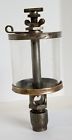
( Brand: Powell ), ( Country/region Of Manufacture: United States ), ( Material: Bronze ), ( Bundle Listing: No ), ( Type: Oiler )
Review POWELL Rare 1885 Puritan Oiler Bronze Hit Steam Spring Loaded
1885 Powell Puritan Oiler Hit Steam Spring - A Piece of Steam Engine History
The 1885 Powell Puritan Oiler Hit Steam Spring is an exquisite and functional artifact that harkens back to the golden age of steam engine technology. This unique piece, manufactured by the esteemed Powell Machine Company, is a testament to the craftsmanship and innovation that characterized the industrial revolution.
The 1885 Powell Puritan Oiler is designed to facilitate the lubrication of moving parts within steam engines, a crucial element in maintaining the smooth operation and longevity of these magnificent machines. The oiler is equipped with a Hit Steam Spring, a feature that allows it to automatically dispense lubricant at predetermined intervals, ensuring continuous and efficient lubrication.
Crafted from high-quality materials, the oiler boasts a robust construction that can withstand the rigors of daily use in a steam engine environment. The Puritan Oiler features a polished brass body, adorned with intricate details and engravings that reflect the attention to design and aesthetics for which Powell Machine Company is renowned.
The Hit Steam Spring, a key component of the oiler, is designed to sense steam pressure changes. When the steam pressure drops, the spring triggers the oiler to dispense lubricant, ensuring that the engine's moving parts are always properly lubricated. This automatic mechanism not only simplifies maintenance but also enhances the overall efficiency of the steam engine.
Whether you're an enthusiast restoring a vintage steam engine, a collector of industrial artifacts, or a historian with a passion for the steam engine era, the 1885 Powell Puritan Oiler Hit Steam Spring is an invaluable addition to your collection. This piece not only serves as a functional component for steam engines but also as a stunning reminder of the ingenuity and industrial prowess of the past.
The 1885 Powell Puritan Oiler Hit Steam Spring is more than just a mechanical device; it's a piece of history, a testament to the spirit of invention, and a symbol of the Industrial Revolution. Owning this oiler allows you to connect with a bygone era, to appreciate the craftsmanship of a time when machines were not just tools but works of art.
Analysis of the 1885 Powell Puritan Oiler Hit Steam Spring: Pros, Cons, and Recommendation
Pros:1. Authenticity and Historical Value: The 1885 Powell Puritan Oiler Hit Steam Spring is a vintage tool, offering a unique piece of history for collectors and enthusiasts.
2. Durability: Made with high-quality materials, this tool is designed to withstand heavy use, making it a long-lasting investment.
3. Functionality: Despite its age, the Puritan Oiler still functions as intended, providing an efficient way to oil machinery.
4. Aesthetic Appeal: Its antique design and patina can add a rustic charm to any workspace or collection.
Cons:1. Limited Usage: Due to its age and specific design, it may not be compatible with modern machinery.
2. Maintenance Requirements: Older tools require more maintenance and care to keep them in good working condition.
3. Replacement Parts: Finding replacement parts for such an old tool can be challenging and expensive.
4. Cost: Compared to modern tools, the 1885 Powell Puritan Oiler may be more expensive, especially if it is in good condition.
Conclusion:The 1885 Powell Puritan Oiler Hit Steam Spring is an excellent investment for collectors, history enthusiasts, or those who appreciate vintage tools. Its durability, functionality, and aesthetic appeal are significant advantages. However, potential buyers should consider its limited compatibility with modern machinery, maintenance requirements, the cost, and the difficulty in finding replacement parts.
Recommendation:If you are looking for a tool primarily for practical use on modern machinery, it might be more beneficial to invest in a modern oiler. On the other hand, if you are a collector, enthusiast, or have a specific need for an antique tool, the 1885 Powell Puritan Oiler Hit Steam Spring could be an excellent addition to your collection. Just ensure you are prepared for the potential maintenance and replacement part challenges that come with owning such a vintage item.
Details:
specifications stationaryenginezo:
- brand: Powell
- country/region of manufacture: United States
- material: Bronze
- bundle listing: No
- type: Oiler
General stationaryenginezo:
- condition: Used
- in stock: Yes
- business industrial > light equipment tools business industrial > stationary engines light equipment
Returns stationaryenginezo:
- policy: returns accepted
- type: Money Back
- details: ALL ITEM SOLD UNOPENED and/or UNUSED, need to be returned Unopened and/orAll other items, including Listings with COLLECTIBLE ONLY sold need to be returned in the same condition in accordance to the item in the photo of the listing. -- INTERNATIONAL BUYERS: Buyer may have to pay Import VAT, taxes, customs charges, import duties, and/or in country delivery charges. Seller has no control over the above charges and above charges are NOT included in any of the Sellers listings. The above charges are strictly the buyers responsibility, buyer should check with their countrys customs office to determine any charges that might be imposed. If the above charges are imposed, the charges are normally collected by the delivering shipping/freight company, payable when BUYER PICKS the item up. Buyer refusal to pay the the above charges and item are returned to Seller, buyers shipping cost will NOT be refunded!
- time: 14 Days
- paid by: Buyer
Seller stationaryenginezo:
- zipcode: 60097
- city: Wonder Lake, Illinois
Payments stationaryenginezo:
- PayPal
Shipping stationaryenginezo:
- type: Calculated
- handling: 1 days
Offer stationaryenginezo:
- min. bid: $99.99
- bids: 0
- Sold: 0
- quantity: 1
- best offer: false
- Started: March 12, 2018, 6:23 pm
Ratings:
- Great seller ,A A. Good price 03-10-18
- Thank you for an easy, pleasant transaction. Excellent buyer.. 03-08-18
- Happy. thanks! 03-10-18
- very nice item, thanks so much!! 03-12-18
- Great seller fast delivery beautiful purchase 03-10-18
Powell Is Similar To:
- Powell Antique Pint Hit Miss Brass Steam Engine Oiler Steampunk (47.6% similar) The glass tubes are in good condition with no cracks and bottom valve under tube turns. It measures please see my other offers for more antique steam items from the same estate. 5 in total width and 9 height . This vintage Powell Trojan oiler is fresh out of an estate. This offer is being offered...(April 29th, 2018)
- Powell Brass Steam Whistle Engines Machinery Dia Pipe Unknow (35.8% similar) Shipping is actual cost and determined with your zip code, send code for quotes if needed, free packing handling. It is tall by diameter with a 3/8 female pipe thread at bottom. Brass Powell steam, air whistle with 3 chimes, engines, machinery, steam engines. It is in very good condition other than ...(November 13th, 2018)
- Powell Old Boson Pint Size Hit Miss Gas Engine Oiler (52.2% similar) These old oiler, especially the unmolested ones, are extremely difficult to find in wild or even at swap meets so if you've been looking for one don't miss your chance on this. It has 1/2 inch not pipe threads and they are in great shape. I can be reached at if you'd like to talk about it. It will ...(March 1st, 2018)
- Powell Trojan Vintage Pint Engine Oiler Improved Nice Condition (34.9% similar) Vintage Powell Trojan 1/2 pint engine oiler improved class-a nice condition. The item appears to be mostly intact, but I have no knowledge of its functionality missing glass cylinders am not familiar with these types engine parts. Condition is used...(February 7th, 2019)
- Powell Vintage Trojan Cin Locomotive Steam Engine Lubricator Drip Oiler (44.8% similar) I only ship to USA address. For offer is this antique Powell Trojan stationary engine lubricator - side marked 1/2 pt near the top cine...(July 31st, 2018)
- Signal Powell Vintage Brass Oiler (37.5% similar) Needs cleaning. Vintage hit miss engine oiler. Has been stored for years. Some scuffing...(April 29th, 2017)
- Puritan Powell Co X1240 Vintage Brass Hit And Miss Drip Oiler Lubricator Small 3 1 4 Inch (35.5% similar) Vintage brass hit miss drip oiler lubricator X1240 small 3/1 /4. Please see pics...(September 29th, 2025)