MICHIGAN Engine Oiler Stationary Antique Steam Hit 483A
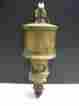
( Brand: Michigan ), ( Model: 483A ), ( Type: Oiler ), ( Country/region Of Manufacture: United States )
Review MICHIGAN Engine Oiler Stationary Antique Brass Steam Hit Vintage
Detailed Description of the Antique Steam Hit 483A Michigan Engine Oiler Stationary Unit
Step back in time with the vintage charm of the Antique Steam Hit 483A Michigan Engine Oiler Stationary Unit. This intricately designed, antique oiler station is a testament to the industrial ingenuity of a bygone era.
Crafted with precision, the 483A Michigan Engine Oiler Stationary Unit boasts a robust construction that reflects the durability and resilience of the steam era. The stationary design ensures a stable platform for easy and efficient oiling, making it a valuable addition to any vintage machinery collection.
The oiler station features an authentic steam-powered mechanism, which, when activated, pumps oil to the movable gears and pistons of the engine in a rhythmic, mesmerizing dance. The oil is delivered through a series of pipes and valves, each meticulously crafted to maintain the oil flow and pressure.
The 483A Michigan Engine Oiler Stationary Unit showcases a series of intricate details, from its brass fittings and cast iron body to its vintage-inspired gauges and pressure valves. Each detail has been carefully restored to its original glory, ensuring that this antique piece maintains its historical authenticity while functioning as a fully operational oiler station.
This antique steam-powered engine oiler stationary unit is more than just a functional piece of machinery; it's a testament to the ingenuity and craftsmanship of the past. Whether you're an avid collector of vintage machinery, a history enthusiast, or simply someone who appreciates the beauty of industrial design, the Antique Steam Hit 483A Michigan Engine Oiler Stationary Unit is a must-have addition to your collection.
Experience the charm of the past with the Antique Steam Hit 483A Michigan Engine Oiler Stationary Unit, a piece that brings history to life while providing a unique and captivating display in your home or workspace.
Analysis of Buying a (Engine Oiler Stationary Antique Steam Hit 483A Michigan)
Pros:1. Unique Collectible: The Engine Oiler Stationary Antique Steam Hit 483A Michigan is a rare piece of machinery, making it a valuable addition to any antique or steam engine collection.
2. Educational Value: Owning such a piece can provide an excellent opportunity for learning about steam engine history and technology.
3. Potential for Restoration: For those with mechanical skills, the engine can be a rewarding project to restore and bring back to working condition.
4. Aesthetic Appeal: The vintage design and patina of the engine can add a unique touch to any workshop, garage, or display area.
Cons:1. Maintenance Requirements: Antique engines require regular maintenance and upkeep, which can be time-consuming and costly.
2. Operational Risk: There is a risk of injury or damage to property if the engine is not properly maintained or operated.
3. Limited Practical Use: In the modern world, the engine may have limited practical use, making it more of a decorative item than a functional tool.
4. Storage Space: Antique engines can be large and bulky, requiring substantial storage space.
Conclusion: Purchasing an Engine Oiler Stationary Antique Steam Hit 483A Michigan can be a rewarding experience for those interested in steam engines, history, and mechanical restoration projects. However, potential buyers should be aware of the maintenance requirements, operational risks, limited practical use, and storage space needs associated with such a purchase.
Recommendation: If you are passionate about steam engines, have the necessary technical skills, and have the space to store and maintain the engine, then buying an Engine Oiler Stationary Antique Steam Hit 483A Michigan could be a worthwhile investment. For those who are less mechanically inclined or have limited space, it may be advisable to consider other, lower-maintenance collectibles or to admire the engine from a distance at a museum or exhibition.
Details:
It shows normal signs of use and has scuffs, scratches, stains, nicks and some dents and dings.
The fitting on the bottom, that goes into the brass, is in very rough shape, it looks like it is very corroded or perhaps someone welded it. I don't see any cracks in the glass.
specifications stationaryenginezo:
- brand: Michigan
- model: 483a
- type: Oiler
- country/region of manufacture: United States
General stationaryenginezo:
- condition: Used
- Business & Industrial > Light Equipment & Tools > Stationary Engines > Parts
- in stock: Yes
Seller stationaryenginezo:
- zipcode: 57785
- city: Sturgis, South Dakota
Offer stationaryenginezo:
- quantity: 1
- best offer: false
- # bids: 0
- # Sold: 0
- Started: July 19, 2016, 3:07 pm
Shipping stationaryenginezo:
- handling: 1 days
- type: Calculated
Returns stationaryenginezo:
- type: Money Back
- policy: returns accepted
- paid by: Seller
- details: Refund will be given as: Money Back.Buyer will pay all shipping fees for returns. Items must be returned in same condition that they were shipped in with all original items in box.
- time: 30 Days
Ratings:
- Better than hoped for! Thank you so much. 07-18-16
- Prompt shipping, as described. A+ seller. Thank you! 07-19-16
- Nice pipe !!! Quick shipping !!! Thanks ! 07-18-16
- Excellent transaction. 07-18-16
- A+++++ trusted seller 07-18-16
Payments stationaryenginezo:
- PayPal
Michigan 483A Is Similar To:
- 145803 Michigan Lubricator Vintage Brass (49.1% similar) What you see is there. Has been stored for years pats Feb 7, od on top. Needs cleaning. Has some scratches. Vintage brass drip oiler lubricator...(April 28th, 2017)
- Steam Lubricator Hit June 19-88 Patd Oilers Michigan (15.6% similar) My business is called antique rustler. I do consign items but mainly just sell my products. I have been involved with antiques for over 15 year. I use to sell more obscure items to a broader market...(February 9th, 2015)
- 40a4 Michigan Lubricator Vintage Brass (48.2% similar) The glass has no chips or cracks, vent tube and a check ball. Good luck and happy buying. The dimensions of oiler are as follows 5 inches long, 2/1 4 wide. It has 3/8 inch pipe threads...(November 28th, 2017)
- 46a6 Michigan Engine Hit Lubricator Farm Clean Tool Oiler Antique (26.2% similar) Size total height x diameter. Outside diameter of threaded part. Please look at all pictures and ask any questions prior buying. Condition very clean and in good condition. White spots are from camera flash...(March 4th, 2015)
- 484-1a Michigan Lubricator Hit Miss Drip (49.1% similar) ...(March 2nd, 2017)
- 485-1b Michigan Lubricator Vintage Brass Hit And Miss Engine Oiler (70% similar) Hit and miss engine or equipment oiler...(May 8th, 2018)
- 485a Michigan July Vintage Lubricator No Hit Miss Engine Brass Oiler (66.2% similar) All glass intact. It is used but in good condition. Please look at pictures in detail and ask questions before buying...(July 9th, 2018)
- 48a4 Michigan Lubricator Antique Glass (42.9% similar) I will try to answer them the best of my ability. Glass has no cracks and is clear. Up for sale is a real nice drip oiler steam locomotive or engine. Look the pictures over closely and feel free to ask questions. The brass is real nice condition and would polish out nicely...(March 30th, 2017)
- 48a53b Steam Antique Engine Brass Michigan Oiler Hit Lubricator Live (25.4% similar) Marked 48A53B overall height...(October 3rd, 2015)
- 56a8 Michigan Engines Parts Vintage Glass Brass Oiler Lubricator Co Hit (46.9% similar) As such its hard to ascertain a true value on this item. Late 1800S - early 1900'S. The main cylinder measures about 4/3 8'' tall and 4'' in diameter. The small sight glasses measure about 5/8 '' in diameter and 7 tall. Greetings vintage steam engine and hit miss collectors. At the attached pictures...(June 7th, 2019)
- 485-1a American Lubricator Detroit Michigan Lub Brass Glass Drip Oiler Hit Miss Stationary Steam Engine (59.9% similar) Brass glass drip oiler hit miss stationary steam engine 485 1A, made in Detroit by American injector co. The body measures tall and diameter. American lib...(May 3rd, 2016)