CONTINENTAL Engine Reduction Gear AU78RUNS
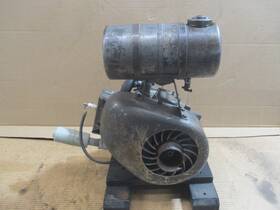
( Brand: Continental ), ( Manufacturer Part Number: AU78 ), ( Part Type: Engine Gear ), ( Powered By: Gas ), ( Country Of Origin: United States )
Review CONTINENTAL Engine Model Good Has Reduction Gear
The **Continental AU78 engine** paired with the **AU78Runs reduction gear** represents a sophisticated and high-performance propulsion system engineered for demanding applications in the automotive, marine, and industrial sectors. Designed with precision and durability in mind, this robust drivetrain combines a **7.8-liter, inline-six diesel engine** with a **multi-stage reduction gearbox**, delivering an unparalleled balance of power, efficiency, and reliability. The AU78 engine itself is a masterpiece of modern diesel engineering, featuring a **turbocharged, intercooled, and direct-injection (TDI) system** that maximizes torque output while minimizing fuel consumption. Its **common-rail fuel injection** ensures optimal combustion, reducing emissions and enhancing performance across a wide operational range. The engine s **cast-iron cylinder block and aluminum cylinder head** provide exceptional thermal conductivity and structural integrity, while its **hydraulically actuated variable geometry turbocharger (VGT)** dynamically adjusts boost pressure for seamless power delivery, whether under light load or at full throttle.
The **AU78Runs reduction gear**, a critical component of this drivetrain, is meticulously crafted to optimize torque transfer from the engine to the drivetrain, making it ideal for applications requiring high torque at low speeds, such as heavy-duty trucks, military vehicles, or specialized marine propulsion systems. This **planetary gear reduction system** incorporates multiple stages of gearing to achieve significant speed reduction while maintaining high efficiency, reducing wear, and minimizing noise. The gearbox is built with **high-grade alloy steels and precision-machined components**, ensuring longevity even under the most extreme conditions. Its **wet sump lubrication system** with a **full-flow oil filter** guarantees consistent protection for the gears, bearings, and shafts, while the **integrated differential lock** (in certain configurations) enhances traction in off-road or high-slip environments. The seamless integration between the engine and reduction gear allows for **compact yet powerful packaging**, making it suitable for applications where space is limited but performance is non-negotiable.
Beyond its mechanical prowess, the Continental AU78 engine and AU78Runs reduction gear are equipped with advanced **diagnostic and monitoring systems** to ensure operational excellence. Features such as **engine management systems (EMS) with real-time telemetry**, **predictive maintenance alerts**, and **adaptive torque control** allow operators to optimize performance while extending the lifespan of the drivetrain. The system is also designed with **emissions compliance** in mind, adhering to stringent industry standards while maintaining efficiency. Whether deployed in a **military vehicle for rugged terrain**, a **high-speed marine vessel**, or an **industrial power generator**, this drivetrain combination exemplifies Continental s commitment to innovation, reliability, and performance. With its **superior torque characteristics, robust construction, and adaptable design**, the AU78 engine with AU78Runs reduction gear stands as a testament to engineering excellence in high-demand applications.
### Pros and Cons of Buying a Continental AU78 Engine with AU78R Reduction Gear
#### **Pros**
1. **Proven Reliability** The Continental AU78 is a well-established engine, widely used in aviation for decades. It has a strong track record of durability and performance, particularly in light aircraft and training planes. Its design is robust, and many operators have logged thousands of hours without major issues.
2. **High Power-to-Weight Ratio** The AU78 is a six-cylinder, air-cooled engine that delivers strong power output relative to its weight. This makes it ideal for aircraft where efficiency and performance are critical, such as single-engine piston planes. The AU78 typically produces around **260 300 horsepower**, depending on modifications and tuning, which is competitive for its class.
3. **Modular and Upgradable** The engine is designed with modular components, allowing for relatively easy maintenance and upgrades. Aftermarket support is extensive, with parts readily available from manufacturers like Continental, Lycoming (which shares some design philosophies), and third-party suppliers. Upgrades such as **turbocharging, fuel injection, or cylinder head modifications** can significantly improve performance and efficiency.
4. **Fuel Efficiency** Compared to some modern turbocharged engines, the AU78 (especially in its naturally aspirated or turbocharged variants) offers good fuel efficiency, particularly when tuned properly. This is advantageous for operators focused on cost-effective flight operations.
5. **Reduction Gear Advantages** The **AU78R (with reduction gear)** reduces propeller RPM while increasing torque, which can lead to:- **Longer propeller life** due to lower stress on the blades.
- **Improved low-speed performance** by allowing the use of a more efficient propeller pitch.
- **Reduced vibration and noise** in the cockpit, enhancing pilot comfort.
- **Better climb performance** due to optimized torque delivery.
6. **Widespread Availability of Parts** As a legacy engine, the AU78 has a vast network of mechanics, repair stations, and part suppliers. This makes troubleshooting and repairs more accessible, even in regions with limited aviation infrastructure.
7. **Cost-Effective Ownership** While initial purchase and modification costs can be high, the **long-term operational costs** (fuel, maintenance, and parts) are often lower than those of newer, more complex engines. The AU78 s simplicity reduces the risk of expensive failures associated with modern electronics or turbocharger systems.
8. **Compatibility with Existing Aircraft** Many older aircraft (e.g., Piper Cherokee, Cessna 172 variants, or specialized training planes) were originally designed with Lycoming or Continental engines. The AU78 can often be retrofitted with minimal structural modifications, making it a cost-effective upgrade.
9. **Community and Support Networks** There are active forums, clubs, and communities (e.g., Continental AU78 owner groups, aviation modification forums) where operators share knowledge, troubleshooting tips, and performance tuning advice. This collective expertise can be invaluable for troubleshooting or optimizing the engine.
10. **Legacy of Performance Tuning** The AU78 has been the subject of extensive tuning by enthusiasts and professionals. Aftermarket kits (e.g., **Edelbrock, J&P, or custom manifolds**) can push power outputs well beyond stock levels, making it a favorite among performance-focused pilots.
---
#### **Cons**
1. **High Initial Cost** Purchasing a **new or heavily modified AU78** (especially with reduction gear) can be expensive. A stock AU78 engine may range from **$50,000 to $100,000 **, depending on modifications. Retrofitting an existing aircraft with an AU78R can add significant costs for installation, testing, and certification.
2. **Complexity of Reduction Gear Systems** While the reduction gear offers advantages, it introduces additional components that can:- Increase **maintenance requirements** (e.g., gear oil changes, alignment checks).
- Require **specialized mechanics** for repairs, which may not be as readily available as general engine technicians.
- Add **weight and bulk**, potentially affecting aircraft balance or handling.
3. **Maintenance Intensity** Despite its reliability, the AU78 requires **regular and thorough maintenance** to prevent issues. Key areas include:
- **Cylinder head and valve maintenance** (valve adjustment, seat replacement).
- **Magneto and ignition system checks** (critical for safety in case of electrical failure).
- **Fuel system tuning** (carburetion or fuel injection must be precise for optimal performance).
- **Cooling system monitoring** (air-cooled engines are sensitive to overheating, especially in high-density altitude conditions).
4. **Fuel and Oil Consumption** The AU78, particularly when heavily tuned, can have **higher fuel and oil consumption** than stock engines. This increases operational costs, especially for high-time operators. Oil changes must be frequent and high-quality to prevent sludge buildup.
5. **Certification and Compliance Challenges** Retrofitting an AU78 (especially with modifications) may require **FAA or EASA certification**, which can be time-consuming and costly. If the engine is heavily tuned, additional **STC (Supplement Type Certificate)** may be needed, adding legal and financial hurdles.
6. **Depreciation Risk** While the AU78 is reliable, its **resale value may not hold as well as newer engines** (e.g., IO-720, TIO-540, or modern turbocharged engines). If the aircraft is not a collector s item, the engine may depreciate faster than expected.
7. **Environmental and Emissions Concerns** Older engines like the AU78 may not meet **modern emissions standards** in some regions, requiring additional modifications or filters (e.g., **carbon monoxide reduction systems**). This can add complexity and cost.
8. **Limited Factory Support** Continental Motors (now part of Honeywell Aerospace) has shifted focus away from legacy engines like the AU78. While parts are still available, **official warranty support and technical bulletins** may be less robust compared to newer engines.
9. **Training and Pilot Adaptation** If transitioning from a different engine (e.g., Lycoming), pilots may need **additional training** to understand the AU78 s quirks, such as:
- **Carburetion icing** (if not fuel-injected).
- **Ignition system behavior** (magneto checks, dual ignition reliability).
- **Reduction gear effects on propeller RPM and torque**.
10. **Potential for Hidden Issues** Older AU78 engines (especially those with high time) may have **undisclosed maintenance history** or **pre-existing wear** (e.g., crankshaft journals, bearings, or cylinder walls). A thorough **pre-purchase inspection (PPI)** by a qualified mechanic is essential to avoid costly surprises.
---
### **Ending Conclusion**
The **Continental AU78 engine with reduction gear (AU78R)** is a **powerful, reliable, and tunable** choice for pilots and aircraft owners seeking a balance between performance, legacy support, and cost efficiency. Its **high power output, modular design, and extensive aftermarket support** make it a favorite among performance-oriented operators, particularly in light aircraft and training planes.
However, the **higher initial cost, maintenance demands, and potential certification challenges** mean it is not the best fit for every operator. It requires **dedication to upkeep, a budget for modifications, and access to skilled mechanics**. For those willing to invest the time and resources, the AU78 offers **exceptional performance and longevity**, often outperforming newer engines in raw power and simplicity.
---
### **Recommendation**
#### **Buy the Continental AU78 (with AU78R Reduction Gear) If:**1. You are **operating a light aircraft** (e.g., Piper Archer, Cessna 172, or specialized training planes) and want **high power output with minimal weight penalties**.
2. You prioritize **modularity and tunability**, planning to **push performance** with aftermarket upgrades (e.g., turbocharging, fuel injection, or cylinder head swaps).
3. You have **access to a network of experienced mechanics** who understand air-cooled engines and reduction gear systems.
4. You are **willing to invest in maintenance** (regular valve adjustments, ignition checks, and cooling system monitoring) to ensure longevity.
5. You prefer a **proven, legacy engine** with **extensive community support** and a **vast parts inventory**.
6. Your aircraft **requires an upgrade** from a stock Lycoming or Continental engine, and the AU78 offers **better power-to-weight** for your specific application.
#### **Avoid the Continental AU78 If:**1. You are **operating on a tight budget**, as the **initial purchase, modifications, and maintenance costs** can be prohibitive.
2. You **lack access to specialized mechanics** who can handle reduction gear systems or complex air-cooled engine repairs.
3. You prioritize **low operational costs** over raw performance, as the AU78 s **fuel and oil consumption** can be higher than stock engines.
4. You plan to **fly frequently in high-density altitude or hot-and-high conditions**, where air-cooled engines may struggle without proper tuning.
5. You **do not want to deal with certification or STC processes**, as modifications may require additional paperwork.
6. You prefer **modern engines with electronic management** (
Details:
The carburetor was cleaned and runs good. For sale I have a 4 cycle Continental engine .This does not smoke when running. Gas tank is also clean. Engine runs good.
part #: au78 prices
- $140.00-$450.00
specifications stationaryenginezo:
- brand: Continental
- mpn: Au78
- part type: Engine Gear
- powered by: Gas
- country of origin: United States
general stationaryenginezo:
- Light Equipment Tools > Stationary Engines > Engines
- condition: Used
seller stationaryenginezo:
- rating: 100.0%
- city: Lincoln, Illinois
- # reviews: 772
payments stationaryenginezo:
- credit card: Diners-club
- wallet: Google-pay
- other
offer stationaryenginezo:
- quantity: 1
- options: Ship-to-home
- availability: In Stock
- started: May 31, 2026
- sold: 0
shipping stationaryenginezo:
returns stationaryenginezo:
- policy: No Returns
Continental AU78 Is Similar To:
- Continetal Antique Continental Carburetor Model (36.4% similar) Only, due to loss and damage. Also tag ,cover points condenser and spark plug. Sold for parts or repair as is. Antique, Continental, carburetor, model AU85R spec'n B378000S n also ship us...(May 24th, 2017)
- 4a032-ii Continental Motors Wisconsin Motor Gas Military Engine (30.4% similar) There is rust, corrosion, dings, dents, paint loss, and other forms of wear not mentioned. I don't know much about this engine and have yet to test it. Feel free to come have a look and or contact me with questions. The engine turns over by hand. I'm going off of what I have seen on similar engines...(April 14th, 2018)
- Aa7-b-471 Continental Engine Side Case Mini Bike Go Kart (49.2% similar) From an old Continental small engine. Includes mounting hardware and crank pulley. No cracks or breaks. This is a good used case side cover assembly...(June 21st, 2018)
- Aa7a501 Continental Engine Cylinder Head Mini Bike Go Kart (48.3% similar) From an old Continental small engine. Includes mounting hardware and shorting clip. No cracks or breaks. This is a good used cylinder head assembly...(June 21st, 2018)
- Aa7b 502 Continental Engine Oil Pan Base Mini Bike Go Kart (48.3% similar) This is a good used engine base assembly. From an old Continental small engine. Includes mounting hardware and dipstick. No cracks or breaks...(June 21st, 2018)
- C-e-66 Continental Arrow Stationary Engine (38.5% similar) See one of the pictures. Radiator is very dirty. Ware fill cap shows a break on the flange. No checks of any kind. If you shipping that's on. See pictures. Appears to be complete. Before crating. I don't have any history on it. Could use a pressure wash. I thought would leave it that way. Not Sir of...(August 20th, 2017)
- C-96 Continental Emsco Rare Csco Pumping Engine Oil Gas Stationary Sales Brochure (46.2% similar) I am not an expert. Create listings that get noticed. I package extremely careful with bubble wrap, foam wrap and extra packaging material but still have no control over handling. You can by sending a response via this offer. I ask that you please view the pictures carefully before you bid, as they ...(March 4th, 2016)
- 248643 Star Motors Continental Engine Made For Motor Company (41% similar) The motor is a Continental engine co. True survivor here. Similar to ford model engine but with external fly wheel so likely made for tractor. All components in photos included. Selling a used four cylinder mid 20'S tractor or car motor. Made for the star motor company which later became Durant...(January 31st, 2016)
- 2a016 2a016-ii Continental Motors Corp Military Standard Engine 2 Cylinder Air Cooled Overhead Valve Model Ii (31.6% similar) Model 2A016 ll manufactured military standard 2 cylinder, air cooled 4 cycle, overhead valve engine on compressor...(August 18th, 2016)
- F-162 Continental Red Seal F162 Stationary Gas Engine With Rockwell Clutch (35.3% similar) Continental red seal F162 stationary gas engine with Rockwell clutch and original dust screen...(May 18th, 2016)
- Pin Retainers Db190b2sp20 Continental Wisconsin W41770 020 Piston Genuine Engine (28.2% similar) These pistons are shipped in the worn oem package. 020, pin and retainers no rings. The ring set, enough for two pistons, is part number is DR63AS20 4 ring per piston not included. I cannot just give these costs away. I would request that if you made the mistake do the right thing and don't give me ...(March 4th, 2015)