IHC 9637T Antique Igniter Fired Head Hit 1/2HP
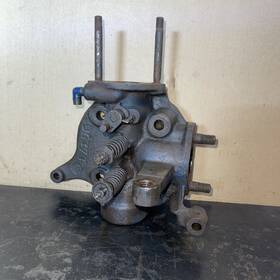
( Brand: Ihc ), ( Manufacturer Part Number: 9637T ), ( Part Type: Igniter Head ), ( Engine Type: Hit Miss )
Review IHC Antique 1/2hp Type Igniter Fired Head Hit Miss
The **IHC 9637T Antique Horsepower Igniter-Fired Head Hit** is a meticulously crafted, high-performance engine designed for vintage and classic farm equipment, offering a seamless blend of reliability and historical authenticity. Engineered with precision, this robust horsepower unit features a classic **igniter-fired head hit** ignition system, a hallmark of early agricultural machinery that ensures smooth, dependable starts even after prolonged periods of inactivity. Built with durable cast iron components and a sturdy steel crankcase, the 9637T is constructed to withstand the demands of heavy-duty applications while maintaining the nostalgic charm of mid-20th-century engineering. Its compact yet powerful design makes it an ideal choice for restoring or powering antique tractors, well pumps, generators, and other farm implements that require both authenticity and dependable performance.
The engine s **air-cooled operation** ensures efficient heat dissipation without the need for complex cooling systems, while its **single-cylinder, two-stroke configuration** delivers a balanced power output of approximately horsepower, perfect for lighter to moderate workloads. The **igniter-fired head hit** mechanism, a signature feature of International Harvester s classic engines, eliminates the need for traditional spark plugs, reducing maintenance and enhancing longevity. This system operates by igniting fuel directly within the combustion chamber, producing a distinctive "head hit" sound that is both functional and evocative of the engine s vintage heritage. The 9637T is equipped with a **direct-drive flywheel**, allowing for easy integration with original or aftermarket pulleys, belts, and accessories, ensuring compatibility with a wide range of antique equipment.
Constructed with **high-quality materials and traditional manufacturing techniques**, this engine exudes a timeless appeal while delivering the performance expected from a well-crafted power source. Its **cast iron cylinder and piston assembly** provides exceptional durability, resisting wear and tear over extended use, while the **steel crankshaft** ensures smooth operation and minimal vibration. The engine s **manual recoil start** mechanism is both simple and effective, requiring minimal effort to initiate, making it user-friendly for operators of all skill levels. Whether used for historical preservation, agricultural restoration, or as a reliable power source for classic machinery, the IHC 9637T stands as a testament to the enduring legacy of International Harvester s engineering excellence, blending historical authenticity with modern reliability.
### Pros and Cons of buying a IHC 9637T Antique HP Igniter-Fired Head Hit
#### **Pros:**1. **Historical and Collectible Value** The IHC 9637T is an antique engine, likely from the early to mid-20th century, making it a sought-after piece for collectors. Its rarity and craftsmanship from a well-known manufacturer (International Harvester) could appreciate over time.
2. **Functional and Operational** If properly maintained, this engine can still function as a head hit (a type of stationary engine used for various mechanical tasks, such as driving pumps, generators, or small machinery). It may appeal to hobbyists who enjoy restoring and operating vintage equipment.
3. **Mechanical Interest and Learning Opportunity** Working with an antique engine provides hands-on experience with pre-modern engineering, including cast iron construction, manual ignition systems, and mechanical linkages. This can be educational for those interested in mechanical history or DIY repairs.
4. **Potential for Customization and Modifications** Enthusiasts may enjoy restoring or modifying the engine to improve performance, aesthetics, or functionality. Some owners repurpose antique engines into decorative pieces, functional tools, or even art installations.
5. **Community and Enthusiast Appeal** Owning an IHC engine connects you to a niche community of vintage engine collectors, restorers, and hobbyists. This can lead to networking opportunities, shared knowledge, and participation in engine shows or clubs.
6. **Low Operating Costs (If Functional)** Once restored, the engine may require minimal fuel (often gasoline or kerosene) and basic maintenance (oil changes, spark plug adjustments). For someone with mechanical skills, running costs could be very low compared to modern alternatives.
7. **Unique Aesthetic and Character** The engine s vintage design, with its cast iron components, brass fittings, and mechanical charm, can add character to a workshop, garage, or display space. It serves as a conversation piece and a testament to industrial heritage.
---
#### **Cons:**1. **High Initial Cost** Antique engines, especially well-preserved or rare models like the IHC 9637T, can be expensive to purchase, often costing hundreds or even thousands of dollars depending on condition and demand.
2. **Potential for Hidden Damage or Wear** Without thorough inspection, the engine may have internal corrosion, worn-out parts, or mechanical issues that require significant restoration work. Buying "as-is" without a professional assessment can lead to unexpected repair costs.
3. **Complex Restoration and Maintenance** Restoring an antique engine is labor-intensive and may require specialized tools, knowledge of vintage mechanics, and access to replacement parts. Modern machinery and electronics are not always compatible with older designs.
4. **Limited Availability of Parts** Finding original or compatible replacement parts for an IHC engine can be difficult. Some components may need to be machined or fabricated from scratch, adding to the time and cost of restoration.
5. **Reliability and Durability Concerns** Even after restoration, antique engines may not be as reliable or durable as modern equivalents. They are prone to leaks, rust, and mechanical failures, especially if not used regularly.
6. **Safety Risks** Running an old engine poses safety hazards, including carbon monoxide exposure, fire risks from fuel leaks, and the potential for mechanical failures (e.g., flywheel breakage). Proper ventilation and safety precautions are essential.
7. **No Guarantees of Functionality** There is no warranty or support from the manufacturer. If the engine fails after purchase, repairs must be self-funded. Some antique engines may never run properly despite extensive efforts.
8. **Opportunity Cost** The time and money invested in restoring and maintaining an antique engine could be better spent on modern, more reliable equipment that serves a practical purpose.
9. **Market Volatility** The value of antique engines can fluctuate based on collector demand, economic conditions, or changes in interest in vintage machinery. What you pay today may not be recoverable if you decide to sell later.
10. **Limited Practical Use** Unless you have a specific need for a vintage engine (e.g., historical accuracy for a project, hobbyist enjoyment, or decorative purposes), modern alternatives (e.g., electric, diesel, or gasoline engines) may offer better performance, reliability, and ease of use.
---
### **Ending Conclusion:**The IHC 9637T antique HP igniter-fired head hit is a fascinating piece of mechanical history with undeniable charm and collectible appeal. It offers a unique blend of nostalgia, educational value, and potential for creative projects. However, it also comes with significant challenges, including high costs, complex maintenance, and practical limitations. Whether this engine is a worthwhile purchase depends largely on your priorities:
- **If you are a collector, hobbyist, or enthusiast** who values the history, aesthetics, and hands-on experience of working with vintage machinery, the IHC 9637T could be a rewarding investment. The joy of restoration and the satisfaction of reviving an old engine may outweigh the drawbacks.
- **If you prioritize practicality, reliability, and low-maintenance functionality**, modern alternatives are likely a better choice. The time and effort required to restore and maintain an antique engine may not justify its use for everyday tasks.
---
### **Recommendation:** **Buy the IHC 9637T if:**- You have a genuine interest in vintage engines and are prepared to invest time and effort into its restoration.
- You are part of a community of collectors or hobbyists who share your passion and can offer guidance or support.
- You have the mechanical skills (or access to skilled help) to diagnose, repair, and maintain the engine safely.
- You are purchasing it primarily for its historical value, as a hobby project, or for decorative/display purposes rather than functional use.
- You have thoroughly inspected the engine (or had it inspected by a professional) and are aware of any potential issues before committing to the purchase.
**Avoid buying the IHC 9637T if:**- You are looking for a reliable, low-maintenance engine for practical tasks (e.g., powering tools, generators, or machinery).
- You lack the time, budget, or mechanical expertise to restore and maintain an antique engine.
- You are not prepared for the possibility of hidden damage or the need for extensive repairs.
- You do not enjoy the process of restoration or the challenges of working with vintage machinery.
- Modern alternatives better suit your needs in terms of performance, cost, or convenience.
**Alternative Considerations:** If you are drawn to the idea of owning an antique engine but are concerned about the challenges, consider:- Starting with a simpler or more common vintage engine model that is easier to restore.
- Purchasing a partially restored engine to reduce the workload.
- Joining a vintage engine restoration group or forum to learn from others before making a purchase.
- Exploring modern replicas or kits that mimic the aesthetic of antique engines while offering better reliability.
Ultimately, the IHC 9637T is a piece of engineering history that can be incredibly rewarding for the right owner. Approach the purchase with realistic expectations, thorough preparation, and a clear understanding of what you hope to gain from it.
Details:
Push rod hole is 3/8. Valves are not stuck. Throttle plate is not stuck, shaft has wear. This item is old, used, and sold as.
Good 1/4 exhaust threads. Nice used head from a 1/2HP igniter fired IHC Type M engine. Springs seem good. Will need a little work before ones but its great start to cylinder head.
Valves will need lapped in and cleaned up a bit before installing on your engine for best results. In a circular pattern, the 4 mounting holes on head are 3 5/8 apart centers.
part #: 9637t prices
- $75.00-$89.99
specifications stationaryenginezo:
- brand: Ihc
- mpn: 9637t
- part type: Igniter Head
- engine type: Hit Miss
shipping stationaryenginezo:
- type: Fixed
- service: USPS Ground Advantage
- carrier: USPS
- transit: 3-9 Days
- class: Standard
- cost: $22.50
offer stationaryenginezo:
- best offers: True
- options: Ship-to-home
- sold: 0
- availability: In Stock
- started: February 25, 2026
- quantity: 1
returns stationaryenginezo:
- policy: No Returns
general stationaryenginezo:
- condition: For parts or not working
- Light Equipment Tools > Stationary Engines > Parts
seller stationaryenginezo:
- city: Lockridge, Iowa
- rating: 99.8%
- # reviews: 2870
payments stationaryenginezo:
- other
- wallet: Apple-pay
- credit card: Discover
Ihc 9637T Is Similar To:
- Kw Farm Engine Ihc Magneto Tractor Nice Hit 10-20 Titan (31.3% similar) It is missing the cover that goes over the magnets. Take a look at the pictures and decide for yourself, they don't get much nicer than this. No reserve so bid to win. I tested it for spark and didn't get any, I'm sure all it probably needs is a good points filing, I never even took the points cover...(January 18th, 2015)
- Ihc Pulley 12x14 Hit Cast Iron Belt Famous Titan Original Engine (25.8% similar) I will combine shipping when possible...(January 12th, 2015)
- 1479t International Harvester Old Ihc Mogul Hit Miss Gas Engine Magneto (35.1% similar) It is part number 1479T and measures about inches in diameter with a 1/2 inch face. The pictures tell story. It has a 3/8 inch hole for the magneto armature shaft and key way is in great shape. I can be reached at if you'd like to talk about it. Don't miss it. They have very little noticeable wear ...(June 29th, 2018)
- Magneto 1622h 10hp Mogul High Gas Engine Hit Ihc Tension Bosch (34.4% similar) So if someone doesn't pay I will ban them from my listings and also tell all my friends who also sell engine parts on here who to watch out for for example if my measurements are wrong I would take it back. Its in great shape. Please bid and buy for lots of money, I Will use all funds I receive for ...(February 14th, 2015)
- Gear Engine Hit Ihc Nice Hp Mogul Magneto 1879t Original Gas 1 Drive (14.1% similar) It is in very nice condition with its teeth still very square and not razor ed and no cracks or repairs. It has a part number of 1879T on it, and measures approx. This offer is for a nice original 1 hp Ihc mogul gas engine magneto drive gear...(January 12th, 2015)
- 2278a Ihc Vtg Flat Belt Pulley Mccormick Corn Sheller Hit Miss (29.5% similar) I think it may have been used in other applications as well. Offered is a cast-iron flat belt pulley marked Ihc and 2278A. Measures about inches across with a 3-INCH driving face. Glad to combine ship if possible. I do my best to keep shipping as low and safe possible. Using online resources I found...(April 30th, 2018)
- 945t International Harvester Ihc Mogul Type Cast Iron Belt Pulley Hit (34.1% similar) It has a inch bore for the crankshaft and key. It is part number 945T and has a inch face 6 inches in diameter. I can be reached at if you'd like to talk about it. If you've been looking for one to complete a restoration heres your chance. Please measure your engine to be sure it works for ...(December 18th, 2018)
- 959t International Harvester Old Ihc Mogul Cast Iron Belt Pulley Hit (29.7% similar) It has a inch face and is 8 inches in diameter. It will fit on any engine with a inch crankshaft but came from the factory 2/1 2HP mogul and still has some green paint. These original cast iron pulleys are rather tough to find in the wild or even at swap meets and they really set an engine off. ...(July 26th, 2018)
- 9624-tb International Harvester Old Ihc Type Fuel Mixer Carburetor (22.2% similar) I can be reached at if you'd like to talk about it. It will need two other needles which are available rather inexpensively from several of the hobby suppliers. It has both of the original filler plugs caps and chains with yet. It is in good condition with no cracks, breaks, or repairs of any kind ...(December 19th, 2018)
- 9632 Ihc Hit And Miss (37% similar) Used Ihc model m engine governor collar...(February 4th, 2018)
- 9645 Ihc International Mccormick Hp Fuel Pump Hit Miss Gas Engine (36.8% similar) I ship fast. Overall, in good condition. No breaks, cracks or repairs that I can find. Measures inches from top to bottom, at the longest point. The threads on intake look pretty good, with no significant damage. The spring and cap is rusty, with pitting. The ball check valve can be heard inside ...(June 26th, 2018)